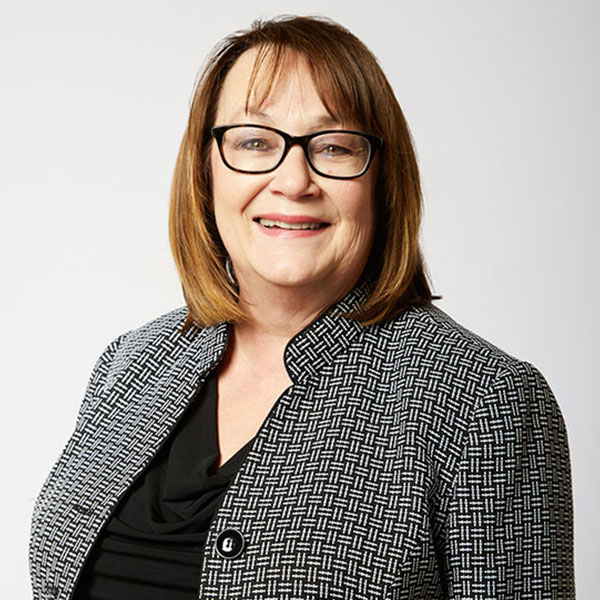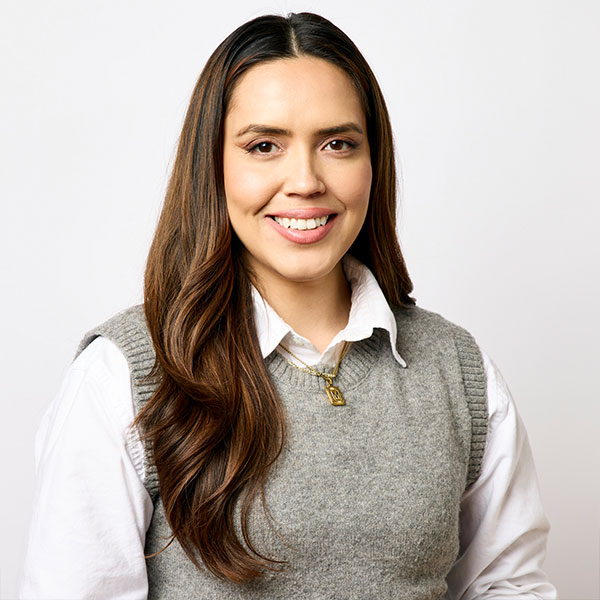


PODCAST EPISODE 353 – How to Future-Proof Your Wealth: Essential Estate Planning for Every Life Stage
In this episode, Paul sits down with estate planning attorney Derek Wayne Jensen to demystify what estate planning really involves and why it’s far more than drafting a simple will.
Derek explains how planning evolves over a lifetime, beginning with young adults choosing beneficiaries, through major life milestones, to complex multi-generational legacy planning. They explore the biggest misconceptions, including the belief that estate planning is “one and done,” and discuss why outdated beneficiary designations routinely undermine even the best plans.
Derek also highlights triggers that should prompt a review: health scares, major purchases, business exits, new children or grandchildren, and significant increases in wealth.
The conversation ends with practical guidance for high earners, business owners, and anyone whose documents are more than five years old.
–
About Derek:
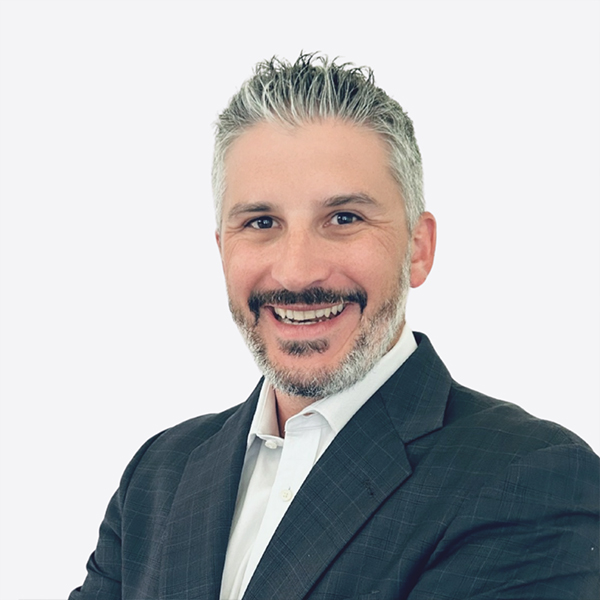
Derek W. Jensen, JD, LLM, is a tax attorney and the founder of the North Seattle law firm, Jensen Estate Law, to assist individuals and their families with complex issues surrounding federal income tax, state and federal estate tax, estate law, business law, elder law and asset protection. Derek is a trusted advisor, with over 25 years of experience helping clients achieve their estate and tax planning goals. He makes it his priority to listen and mold documents for each unique case that happens upon him, while addressing all concerns his clients may have.
Podcast: Who Gets What on Apple , Spotify , Amazon , Youtube , and RSS
Instagram: @ jensenestatelaw
Facebook: Jensen Estate Law
X (Twitter): @ JensenEstateLaw
–
Timestamps:
01:11 – What estate planning really is (beyond wills and trusts)
02:15 – Why planning starts with young adults and evolves over life
03:37 – Biggest misconception: estate planning is “one and done”
05:05 – When to DIY vs. when to hire an attorney
06:29 – Why beneficiary designations often override your will
09:47 – Estate tax thresholds and the “life-stage” planning framework
13:00 – Essential documents every adult should have (POA, healthcare directives)
–
This Material is Intended for General Public Use. By providing this material, we are not undertaking to provide investment advice for any specific individual or situation or to otherwise act in a fiduciary capacity. Please contact one of our financial professionals for guidance and information specific to your individual situation. Sound Financial LLC dba Sound Financial Group is a registered investment adviser. Information presented is for educational purposes only and does not intend to make an offer or solicitation for the sale or purchase of any specific securities, investments, or investment strategies. Investments involve risk and, unless otherwise stated, are not guaranteed. Be sure to first consult with a qualified financial adviser and/or tax professional before implementing any strategy discussed herein. Past performance is not indicative of future performance. Insurance products and services are offered and sold through Sound Financial LLC dba Sound Financial Group and individually licensed and appointed agents in all appropriate jurisdictions. This podcast is meant for general informational purposes and is not to be construed as tax, legal, or investment advice. You should consult a financial professional regarding your individual situation. Guest speakers are not affiliated with Sound Financial LLC dba Sound Financial Group unless otherwise stated, and their opinions are their own. Opinions, estimates, forecasts, and statements of financial market trends are based on current market conditions and are subject to change without notice. Past performance is not a guarantee of future results.